Despite the sunshine we’ve had recently, autumn has definitely arrived at Bendrigg. The leaves are starting to gather on the paths, the waterproofs are getting more use, and conversations have already started about gritting bins, dark evenings and whether it’s too early to talk about Christmas.
For those of us who work in leisure, tourism and the outdoors, autumn is a fantastic time of year. But it can also bring a few challenges that aren’t always obvious until people start arriving.
At Beyond Bendrigg, we spend a lot of time carrying out accessibility audits and looking at places through the eyes of different visitors. One thing we’ve learned is that accessibility isn’t static – a venue that works brilliantly in July can feel very different by the time October arrives.
And often it’s the changing environment, rather than the venue itself, that creates the challenge.
Those beautiful autumn leaves…
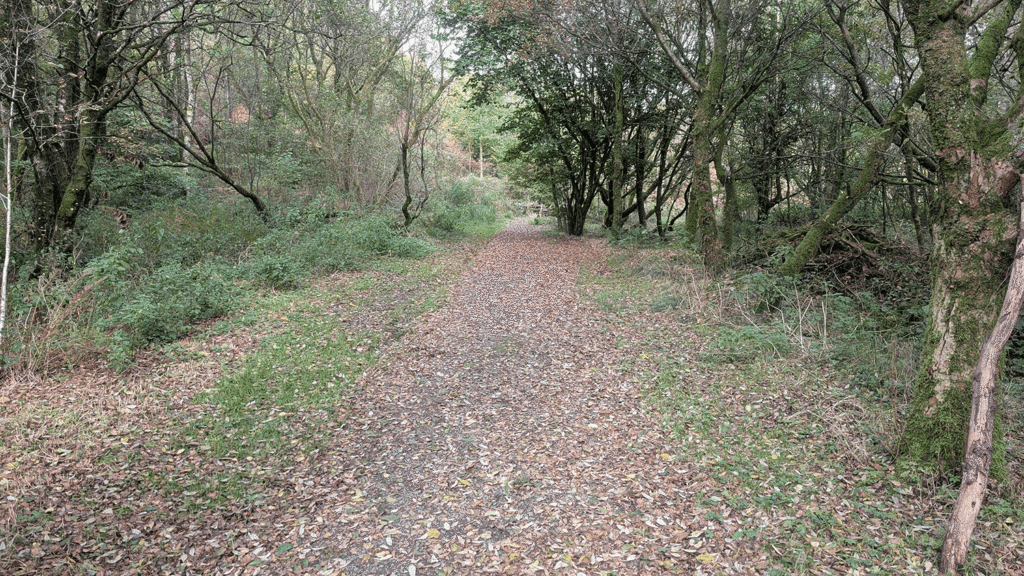
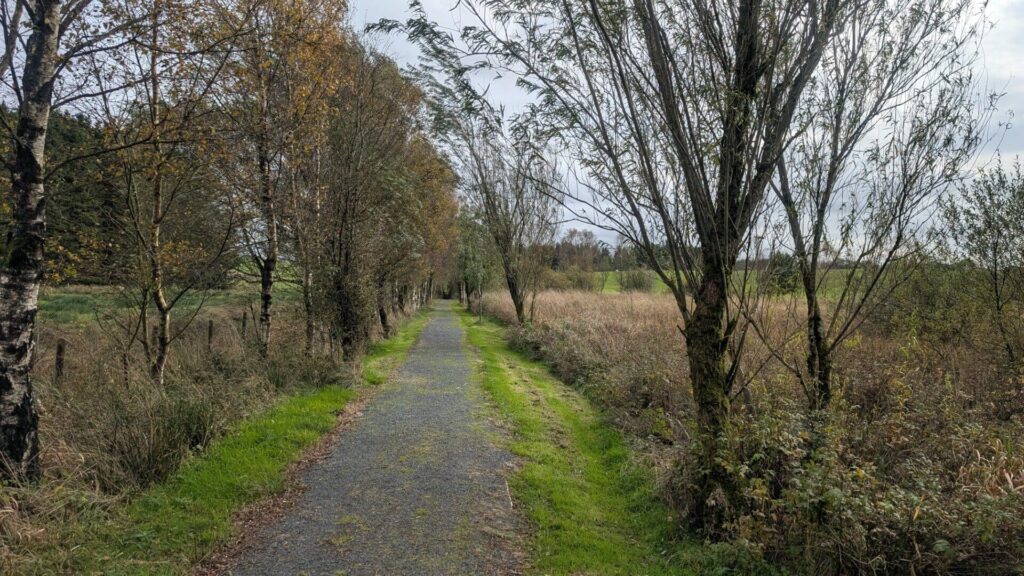
Let’s start with the obvious one. A woodland path covered in autumn leaves looks fantastic in the photos and sounds like the perfect setting for autumn walks. A woodland path covered in wet autumn leaves can be a very different experience.
At Bendrigg, our team spend a lot of time at this time of year sweeping leaves and checking pathways. Not because we’re trying to keep the site looking tidy, although that’s a nice bonus, but because a path that felt accessible in September can feel very different after a week of rain and falling leaves.
Leaves hide uneven surfaces. They make pathways slippery. They cover potholes, roots and the edges of paths. For somebody using a wheelchair, a mobility aid or who simply isn’t particularly steady on their feet, that picturesque autumn scene can suddenly become much harder to navigate.
The same goes for mud, standing water and surfaces that have become damaged over the summer.
If you’ve not walked your accessible paths and visitor routes recently, now is probably a good time. Preferably on a wet day, rather than a dry one.
Everything changes when the light goes.
One thing I always notice at this time of year is how quickly the light starts to disappear. Routes that feel straightforward in summer suddenly feel quite different at four o’clock in the afternoon.
Signs become harder to spot. Changes in level are less obvious. Entrances don’t stand out quite as clearly – and whilst this affects everyone, it can be particularly challenging for people with visual impairments, dementia and some neurological conditions.
A useful exercise is to leave your office a bit later than usual and walk the same route your visitors take. The car park. The path to reception. The route to the toilets. It’s amazing what you notice when you see your venue at the same time your visitors do.
Not every challenge is visible
When people hear the word accessibility, they often think of disabled access as ramps, lifts and accessible toilets. All important things, but many of the people visiting your venue or event may have hidden disabilities or conditions that you can’t immediately see.
One thing we’ve learned over the years is that many people are making a decision about whether to visit long before they arrive. They’re looking at your website, reading your information and trying to picture what the experience will be like.
- What will the pathways be like?
- How far is it from the car park?
- Will it be busy?
- Is there somewhere quiet if somebody needs a break?
What sounds like a small amount of information can make a huge difference when someone is deciding whether or not they feel comfortable visiting.
Sometimes it is the little things
Sometimes when we carry out access audits, people are expecting us to point out major building work or expensive alterations. Occasionally we do identify bigger issues, but more often we’re talking about the little things that shape somebody’s experience:
- A sign that isn’t quite where people expect it to be.
- Information on a website that’s difficult to find.
- A corridor that’s become cluttered over time.
The sort of things people don’t notice until they start looking at their venue through somebody else’s eyes. None of these things are particularly dramatic. Yet they can have a significant impact on somebody’s experience.
Autumn has a habit of changing the plan
If you work outdoors or run accessible outdoor activities, you’ll know that autumn doesn’t always do what you expect. A route that’s accessible on Monday might be flooded by Wednesday. An activity or event you’ve planned for weeks suddenly needs moving indoors because the weather has other ideas.
Most visitors are incredibly understanding when plans change, and what really helps is good communication. Let people know what has changed, explain why, and tell them what the alternative arrangements are.
We often find that people are much more flexible than organisations expect them to be, provided they’ve been kept informed.
Take time to reflect
Autumn can also be a great time to take stock of the busy summer season and reflect on what went well – and what changes you want to make for next year.
- What challenges have you or your team faced?
- What has visitor feedback highlighted?
- What would help more people feel welcome?
Now is a great time to identify any disability awareness training or support that would build confidence in welcoming disabled visitors.
Looking at things a little differently
Accessibility isn’t something we do once and tick off a list. It changes with the seasons, the weather and the people who visit us.
As autumn settles in, it’s worth taking a fresh look at your venue. Walk the paths after the rain. Arrive as the light starts to fade. Read your visitor information as if you’ve never been there before.
You probably won’t find one big thing that needs fixing. More likely, you’ll spot a collection of small things that could make somebody’s visit a little easier and a little more welcoming.
Because when it comes to accessibility, it’s often the little things that make the biggest difference. Visitors may not remember the cleared pathway or updated sign, but they will remember how a place made them feel.